

CBE Birr vs. Telebirr: Which Digital Wallet is Best for Diaspora Users?
CBE Birr and Telebirr are reshaping Ethiopia’s digital payments system, but they work in different ways. This guide explains how each wallet operates, their key differences, and what diaspora users should understand about access, transfers, and limitations in Ethiopia’s evolving mobile money ecosystem.
CBE Birr vs. Telebirr: Which Digital Wallet is Best for Diaspora Users?
Introduction
Ethiopia’s financial system has been gradually expanding its digital infrastructure, particularly through mobile-based payment tools designed to improve access to financial services. In this context, digital wallets have become an important part of everyday transactions for many users inside the country.
Two of the most widely discussed platforms are the Commercial Bank of Ethiopia’s digital wallet system (commonly referred to as CBE Birr) and Telebirr. Both systems aim to support cashless transactions, bill payments, and money transfers within Ethiopia’s growing digital economy.
For diaspora Ethiopians, these systems are often relevant when sending money home or supporting family members. However, access, usability, and integration with international remittance channels can differ depending on the platform and user setup.
This article provides a neutral, educational comparison of both systems, focusing on how they work, their structural differences, and key considerations for diaspora users. It does not provide financial advice or service recommendations.
Table of Contents
Introduction
What is CBE Birr?
What is Telebirr?
How Digital Wallets Work in Ethiopia
CBE Birr vs Telebirr: Key Differences
Accessibility for Diaspora Users
Fees, Limits, and Transaction Structure
Common Challenges and Misunderstandings
Key Terms Explained
FAQs
Conclusion
What is CBE Birr?
Overview of CBE Birr
CBE Birr is a mobile-based digital payment service associated with the Commercial Bank of Ethiopia, one of the country’s largest financial institutions. It is designed to extend banking services through mobile platforms.
It operates as an extension of traditional banking infrastructure, meaning it is closely tied to bank accounts and regulated banking processes.
Core Features
Mobile-based money transfers
Utility and bill payments
Merchant payment functionality
Integration with bank accounts and banking services
How It Works
Users typically need a bank account relationship to access full features
Transactions are processed through banking systems rather than standalone wallet infrastructure
Mobile applications or USSD services are used to initiate payments and transfers
From a systems perspective, this type of wallet is generally categorized as bank-led mobile money, where the bank remains the core financial institution behind transactions.
What is Telebirr?
Overview of Telebirr
Telebirr is a mobile money service designed to expand financial access using mobile phone infrastructure. It is operated by the national telecom provider and is not directly dependent on traditional bank accounts for basic usage.
Its main objective is to increase financial inclusion by allowing users to participate in digital transactions through mobile numbers.
Core Features
Peer-to-peer money transfers
Merchant payments and QR-based transactions
Mobile airtime and bill payments
Cash-in and cash-out through agent networks
How It Works
Registration is typically linked to a mobile number
Users interact with a digital wallet stored within the telecom system
Funds can be deposited or withdrawn through authorized agents or service points
This model is commonly described as telecom-led mobile money, where mobile connectivity acts as the financial access layer.
How Digital Wallets Work in Ethiopia
System Overview
Ethiopia’s digital wallet ecosystem generally combines banking and telecom infrastructure. In many cases:
Mobile numbers function as financial identifiers
Banks and telecom operators handle different parts of the transaction flow
Agent networks help bridge cash-based and digital systems
These systems are designed to support a transition from cash-heavy transactions toward digital payments.
Transaction Flow
Typical digital wallet operations follow a similar structure:
Cash-in: Converting physical cash into digital balance
Transfers: Sending funds between users
Payments: Purchasing goods or paying bills digitally
Cash-out: Converting digital balance back into cash through agents or banks
While the flow is similar across platforms, the underlying infrastructure differs.
CBE Birr vs Telebirr: Key Differences
Banking Integration
CBE Birr: Closely integrated with banking infrastructure
Telebirr: Operates primarily through telecom infrastructure
Account Requirements
CBE Birr: Often linked to a bank account relationship
Telebirr: Typically requires only mobile number registration
Use Case Differences
CBE Birr: More aligned with formal banking customers
Telebirr: Designed for broader public access, including unbanked users
Infrastructure Base
CBE Birr: Bank-led financial system
Telebirr: Telecom-led digital payment system
These structural differences influence how users interact with each platform and what services are available.
Accessibility for Diaspora Users
Registration and Setup Considerations
For diaspora users, access to Ethiopian digital wallets can be influenced by:
Local identity verification requirements
Dependence on Ethiopian phone numbers or accounts
Possible need for local intermediaries or representatives
Exact onboarding procedures may vary depending on institutional policies and regulatory requirements.
Sending Money to Ethiopia
In many remittance systems, diaspora transfers are not sent directly into wallets but rather:
Routed through international money transfer channels
Deposited into local bank accounts or mobile wallets
Processed through partner institutions inside Ethiopia
The specific pathway depends on the remittance provider and local system integration.
Practical Limitations
Cross-border account creation is often restricted
Identity verification rules may require local presence
Mobile wallet access may depend on Ethiopian telecom registration
These limitations are generally related to regulatory compliance and financial security requirements.
Fees, Limits, and Transaction Structure
Transaction Costs Overview
Fees in digital payment systems typically vary based on:
Type of transaction (transfer, payment, withdrawal)
Institution policies
Network or agent involvement
No universal fee structure applies across all users or platforms.
Transfer Limits
Common systems often apply:
Daily transaction caps
Monthly usage limits
Different thresholds for verified vs. unverified users
Exact values are not publicly standardized and may change over time.
Processing Speed
Many mobile wallet transactions are processed instantly within the system
Bank-linked transactions may involve additional settlement steps depending on infrastructure
Common Challenges and Misunderstandings
Cross-System Confusion
Users sometimes assume that all digital wallets in Ethiopia operate the same way. In reality:
Banking-led and telecom-led systems have different rules
Interoperability may be limited depending on infrastructure
Diaspora Access Issues
Common challenges include:
Difficulty registering without local documentation
Limited direct access from outside Ethiopia
Dependence on local contacts or services
Transaction Failures
Issues may occur due to:
Network connectivity problems
Verification mismatches
System maintenance or processing delays
Key Terms Explained
Mobile wallet: A digital system for storing and transferring money via mobile devices
Cash-in / Cash-out: Converting between cash and digital balance
Agent network: Physical service points enabling deposits and withdrawals
KYC (Know Your Customer): Identity verification process required for financial services
Interoperability: Ability of different financial systems to work together
Digital banking infrastructure: Systems enabling electronic financial transactions
Frequently Asked Questions (FAQs)
In many cases, remote registration is limited due to identity verification requirements. Procedures depend on institutional and regulatory rules.
Both systems are widely recognized, but usage varies depending on user type, location, and access to banking or mobile services.
CBE Birr is typically linked to banking services, while Telebirr can operate independently of a bank account for basic use.
Inter-system transfers depend on interoperability arrangements, which may vary over time and are not always fully standardized.
Digital wallets generally use regulated financial infrastructure, but safety also depends on user behavior, verification, and system security practices.
Key Takeaways
Ethiopia’s digital wallets support different financial ecosystems
CBE Birr is bank-based, while Telebirr is telecom-based
Access for diaspora users is influenced by verification and infrastructure rules
Both systems contribute to Ethiopia’s broader digital financial transformation
Conclusion
CBE Birr and Telebirr represent two different approaches to digital financial services in Ethiopia. While both aim to improve access to money transfer and payment systems, they operate on different infrastructures and serve slightly different user groups.
Understanding these differences is important for interpreting how digital payments function within Ethiopia’s financial ecosystem, especially for diaspora users interacting with local financial systems.
As Ethiopia’s digital finance sector continues to evolve, these platforms are likely to remain central to everyday transactions, each playing a distinct role in the broader financial landscape.
Explore More Ethiopia Finance Guides
How to Manage Foreign Currency Accounts as an Ethiopian Living Abroad
A Complete Guide to Opening a Diaspora Bank Account in Ethiopia (2026 Edition)
Understanding Bank Mortgage Requirements for Ethiopians Abroad
Top 5 Benefits of Maintaining a Non-Repatriable Birr Account

Understanding the New NBE Foreign Exchange Market Liberalization
Ethiopia just dismantled an 80-year-old exchange rate system. The new NBE directive has reshaped how the birr is valued—and what that means for remittances and everyday currency access.

Top 5 Fastest Remittance Apps for Sending Money to Ethiopia
Explore the top 5 fastest remittance apps for sending money to Ethiopia, including transfer speeds, Telebirr support, bank deposits, cash pickup options, verification requirements, and common delays. This educational guide explains how modern Ethiopia remittance services work and what affects international money transfer processing times.
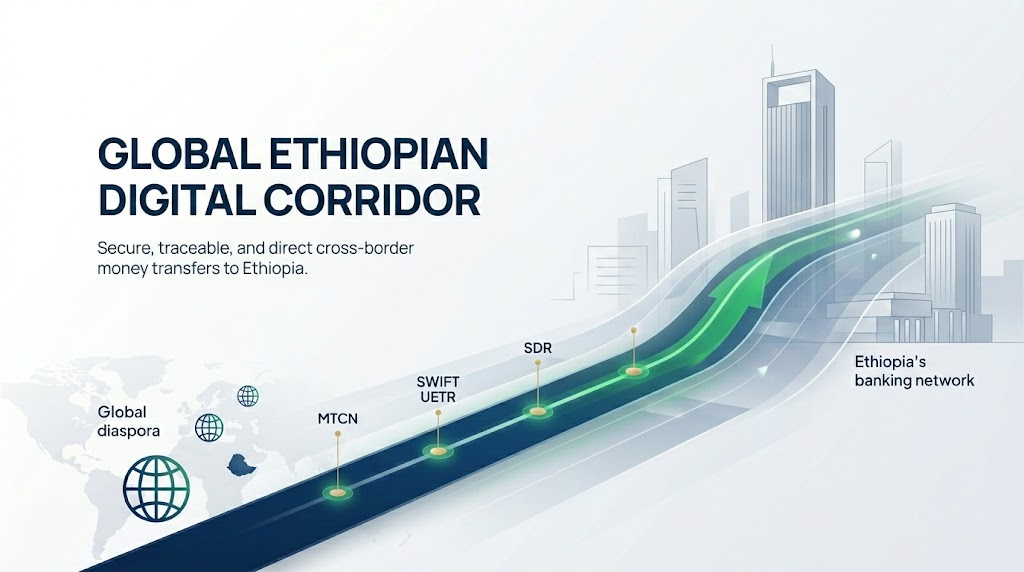
How to Track Your International Money Transfer to Ethiopia
Sending money to Ethiopia is only half the story. Learn how to track your international money transfer, interpret status updates like “available for payout,” and fix common delays so your family isn't left waiting.

How to Manage Foreign Currency Accounts as an Ethiopian Living Abroad
Managing foreign currency accounts as an Ethiopian living abroad involves more than simple money transfers. Learn how exchange rates, diaspora banking, international regulations, and cross-border transactions work — including common challenges many people overlook.
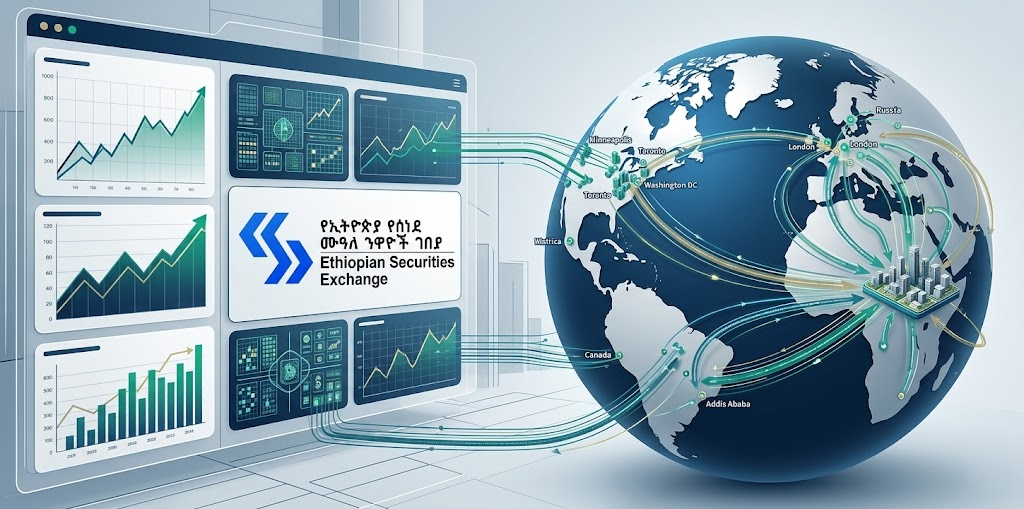
How Ethiopia's New Securities Exchange (ESX) Will Impact the Diaspora
Ethiopia’s new stock exchange lets diaspora investors buy bonds and bank shares from just 1,000 birr — a regulated alternative to remittances and real estate. But currency risk and thin liquidity are the catches most people miss.

A Complete Guide to Opening a Diaspora Bank Account in Ethiopia (2026 Edition)
Opening a diaspora bank account in Ethiopia can involve foreign currency rules, identity verification, and digital banking requirements that many applicants do not fully understand. This guide explains eligibility, required documents, online banking access, and common challenges Ethiopians abroad may face in 2026.
Comments
No comments yet. Be the first to share your thoughts!